

About the library
About Yulmeris and how this library is maintained
Yulmeris publishes plain-language policy references, style guidance, and documentation standards for U.S. public-sector and compliance audiences. This page explains who maintains the library, the editorial rules the entries follow, and how corrections are handled.
What we publish
We write reference entries about official sources: policy manuals, federal circulars, and government style guides. An entry describes what a document covers, how it is organized, how to cite it, and where its authority stops. We link to the source and treat it as controlling. We do not restate regulations as our own, and we do not publish legal advice about individual cases.
-
Policy manuals
Scope, chapter structure, update metadata, and how the manual is amended over time.
-
Federal circulars
What each circular directs, which offices it binds, and where its guidance ends.
-
Government style guides
House rules for wording, capitalization, and consistency across public pages.
-
Stable citations
Entries keep their addresses so a citation in a filing still resolves later.
Editorial rules the entries follow
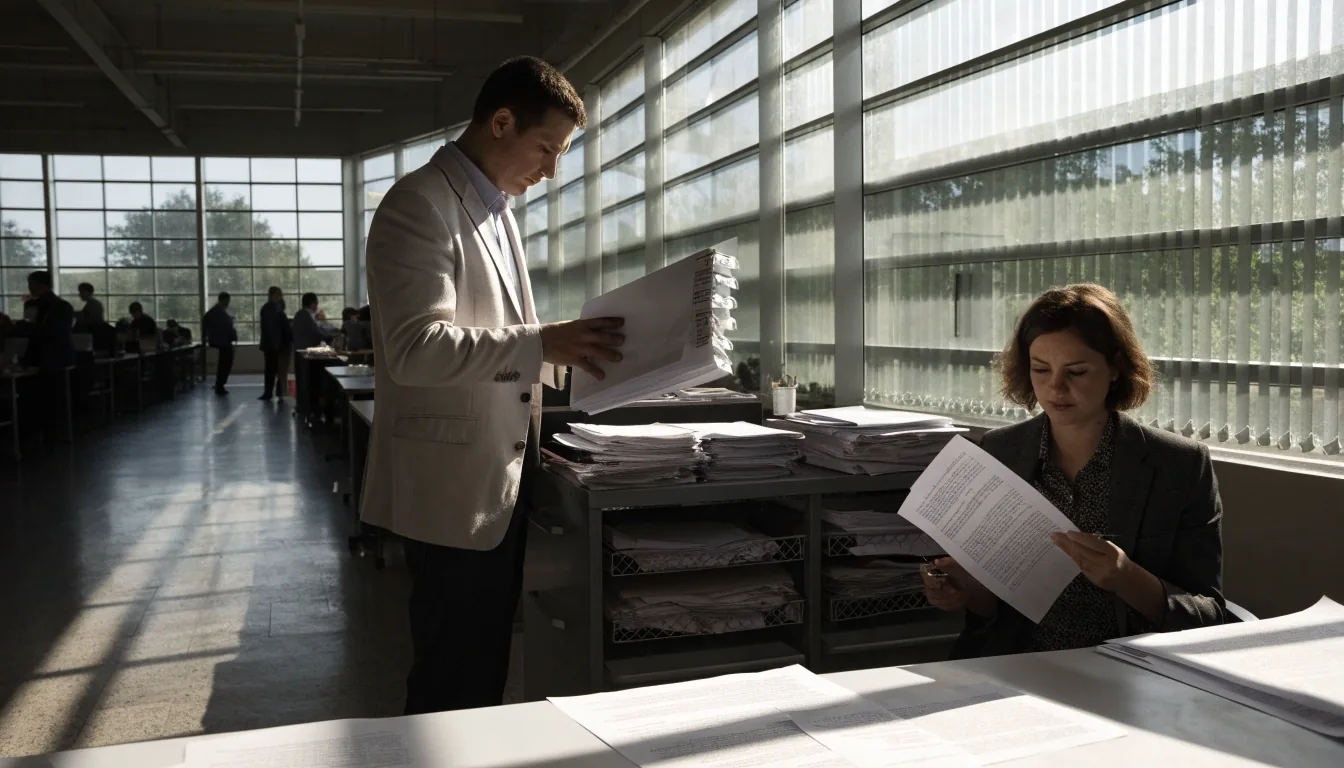
Every entry is checked against the source it describes. Claims about a document's scope or structure come from that document. Dates, such as the update shown in a manual's page metadata, are recorded as they appear, not inferred.
Checked against the source
Scope, section titles, and structural claims trace back to the document itself, not to secondary summaries of it.
Dates recorded, not estimated
Where a manual shows an update date in its own metadata, we record it exactly and note which page it came from.
Updated, not replaced
If a source changes structure, the entry is revised in place so existing links and citations keep working.
Who works on this
We are not a government agency and we do not speak for one.
The library is maintained by a small documentation team with backgrounds in policy writing and web publishing. Entries are drafted, sourced, and reviewed by the same people who keep the style pages current.
Where a question needs an official answer, we point to the issuing body rather than paraphrasing it. That keeps the library a finding aid, not a substitute for the agency that wrote the rule.
Teams that cite these sources in filings, briefs, or internal policy work are the readers we write for. If an entry is unclear to that audience, the entry is wrong and gets rewritten.
How updates and corrections work
Each entry carries a review date. When a source is reissued or a page moves, the entry is revised and the review date changes. Corrections that affect a citation are prioritized, because people rely on them in filings.
Report an outdated reference-
Send the correction
Broken links, citations that no longer match the source, or descriptions that misstate a document go through the contact page with the entry title.
-
We re-check the source
The reported entry is compared against the current version of the document it describes before anything is changed.
-
The entry is revised in place
Wording, structure notes, and citation details are corrected on the existing page, and the review date moves to the date of the change.
-
Citations are handled first
Corrections that affect how a document is cited take priority over wording polish, because a wrong citation travels further than an awkward sentence.
Naming and terminology
We keep a controlled vocabulary across the site so the same document type is always called the same thing. That is why entries say "policy manual" or "circular" and do not rotate synonyms for readability. The habit comes from the style guides in the library, which make the same argument for consistency over variety.
What we do not do
We do not file comments on your behalf, provide legal advice, or act as an official source for any agency. We do not rank agencies or rate guidance as good or bad. The library is a finding aid and a style reference, and its usefulness depends on staying inside those limits.
How rulemaking and public comment actually workIndependence and accuracy
The site is independent and editorial. Accuracy means matching the source, and where we are uncertain, we say so in the entry rather than guessing. If two sources appear to conflict, the entry notes the conflict and identifies which document controls.
- Matching the source
- A description is accurate when it agrees with the document it points to. Where wording drifts from the source, the wording is the error, not the source.
- Uncertainty stated, not smoothed
- If a page structure is unclear, mid-revision, or published in more than one place, the entry says so plainly instead of presenting a single confident reading.
- Conflicts named
- When two sources disagree, the entry records both, says which document controls the question, and avoids inventing a compromise the documents do not support.
- Editorial, not institutional
- Yulmeris is an independent publisher. Nothing here carries the authority of the agency that issued a document, and nothing here claims to speak for one.
Reach the team directly for corrections, citation questions, or coverage requests. We answer during business hours, Monday to Friday, 9:00 AM to 6:00 PM Eastern Time.

Start where the sources are
The policy library gathers the reference entries described on this page. If a link has moved, a citation no longer matches its source, or an entry needs a rewrite, tell us and we will check it against the document.
Read the privacy policy to see what we keep when you write to the documentation team.